- Click Raven
- Posts
- AI Discovery Is Here: What Marketers Must Prepare For Next
AI Discovery Is Here: What Marketers Must Prepare For Next
HTML is fading, AI visibility is rising, and your website is no longer the first touchpoint. Here’s what every marketer needs to know.

Ian Mutuli
November 18, 2025
In partnership with

We’re officially entering the post-web era and the shift is happening faster than anyone expected.
AI agents are quietly becoming the new “homepage” of the internet. People no longer start with websites; they start with ChatGPT, Gemini, or Perplexity and your brand is judged before a single click happens.
This week’s newsletter breaks down the signals behind that shift:
Why HTML is becoming invisible to machines
Why AI agents are the new search surface
Why only 1% of traffic matters more than you think
Why backlinks, content, and translations all work differently in an AI-first world
If you work in SEO, content, or growth, this is not a future trend. It’s already reshaping your funnel today.
Let’s dive in.
🚀 Tailored Niche Edits That Move Rankings
Forget overpriced guest posts or spammy link farms.
Click Raven’s niche edits put your links where they matter most: inside aged, indexed articles on real, authority sites in your niche.
✅ Contextual placements that blend naturally
✅ Sites with real traffic & authority (no expired domains, no junk)
✅ Fast results: many clients see rankings move within 1–2 weeks
✅ Backed by glowing 5⭐ reviews from real business owners
Whether you’re building a foundation, boosting rankings, or securing top-tier authority links, we’ve got packages for every growth stage.
The End of the Web? Goodbye HTML, Hello AI Agents
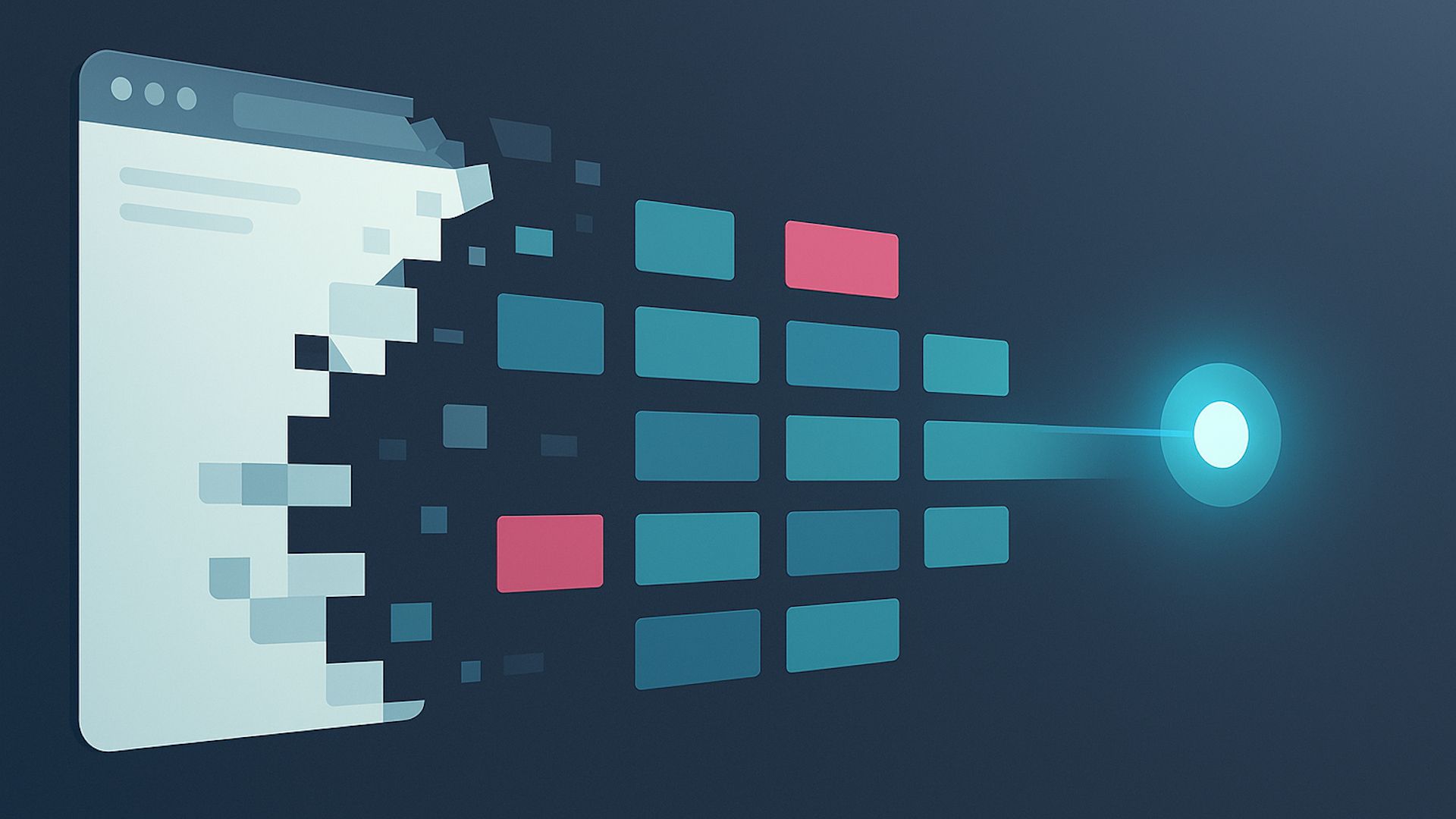
WHAT is happening?
AI agents are rapidly replacing traditional web browsing. Instead of clicking through pages, an increasing number of people now ask ChatGPT, Gemini, or Perplexity to compare products, summarize research, and make decisions.
The web’s foundation — HTML — was built for humans, not machines, and AI is exposing its limits. A new system, AIDI (AI Data Interfaces), could eventually replace webpages with structured, machine-readable data.
WHY is this shift happening?
Because AI gives users exactly what they want. Instantly.
Websites force people to dig, compare, scroll, and decode marketing fluff. AI agents provide direct answers, tailored comparisons, and personalised guidance within seconds.
And since HTML lacks semantic meaning, AI often has to guess. AIDI would fix this, enabling clean, structured data that agents can understand with certainty.
This isn’t Google killing traffic. It’s AI making information retrieval faster, easier, and more accurate than the web ever could.
WHEN will this matter?
The early signs are already here. In the last 30 months, AI has gone from chat toy to research assistant, travel planner, product reviewer, and shopper.
Within 3–5 years, personal agents will likely schedule, negotiate, compare, and purchase on our behalf, therefore, bypassing websites entirely. Mario Fischer suggests that once AIDI standards emerge, adoption will accelerate as businesses race to appear in AI-driven recommendations.
WHAT’S NEXT for marketers?
This is the next SEO reset.
Marketers must prepare to optimise for AI agents, not webpages:
Feed clean, structured data: Products, services, pricing, specs - AI-first formatting (AIDI) will become mandatory.
Become “AI-recommendable”: No more fluff. Clear value, clear positioning, clear differentiation.
Brand presence in AI answers will matter more than rankings.
Reputation, trust, and authority signals will become ranking factors for LLMs.
Paid visibility inside AI ecosystems will emerge the same way Google Ads did.
Content shifts from “written for the web” to “written for retrieval.”
Are you already optimizing your website for agentic discovery?
Shoppers are adding to cart for the holidays

Over the next year, Roku predicts that 100% of the streaming audience will see ads. For growth marketers in 2026, CTV will remain an important “safe space” as AI creates widespread disruption in the search and social channels. Plus, easier access to self-serve CTV ad buying tools and targeting options will lead to a surge in locally-targeted streaming campaigns.
Read our guide to find out why growth marketers should make sure CTV is part of their 2026 media mix.
Google Labs & DeepMind Launch Pomelli — the “Business DNA” AI Marketer
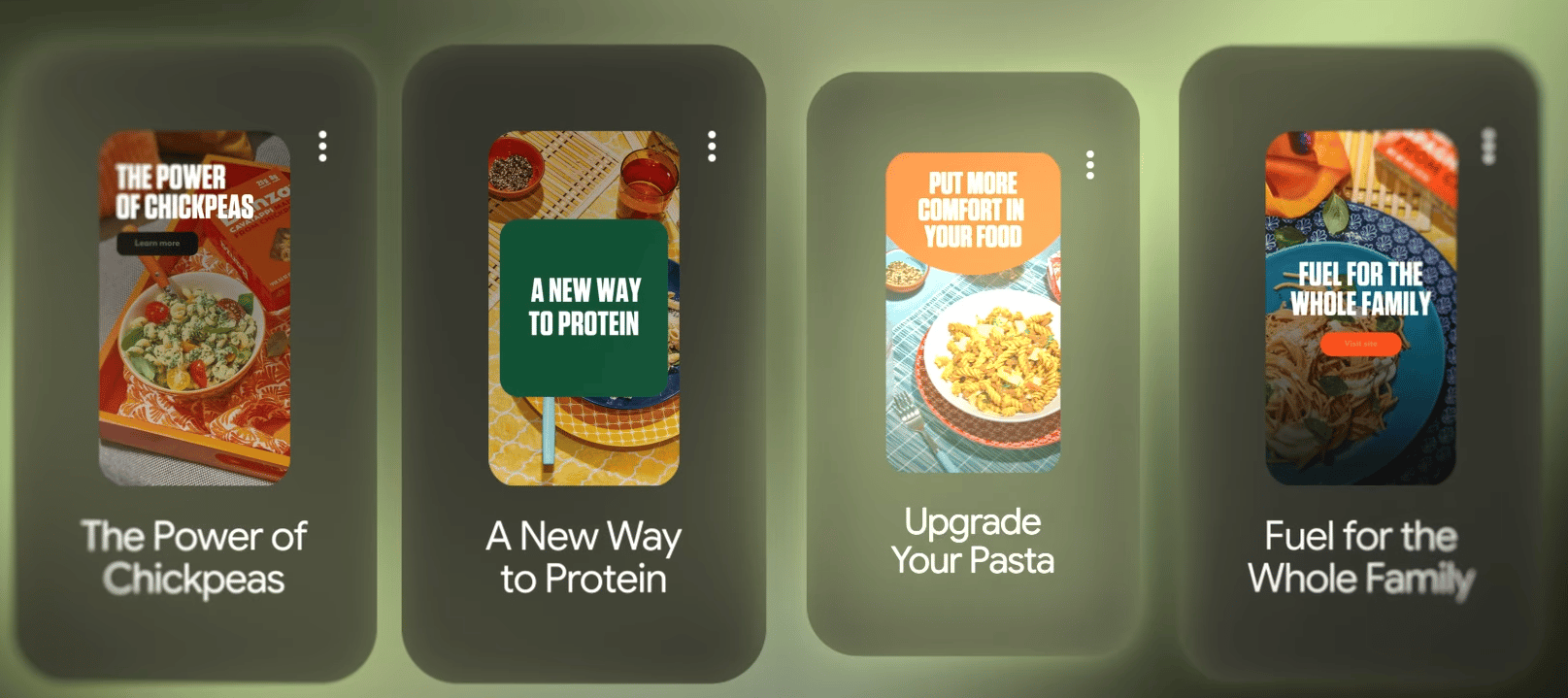
Branding assets made by Pomelli
Google has unveiled Pomelli, a new AI experiment built with DeepMind to help small businesses create brand-consistent marketing campaigns with no designer or copywriter required.
Pomelli scans your website and builds a “Business DNA” profile, capturing your tone of voice, colors, fonts, and visual style. Using that profile, it suggests tailored campaign ideas and generates ready-to-edit assets for ads, websites, and social posts.
The tool aims to make professional-looking marketing accessible to small and medium businesses that lack in-house creative teams. Users can adjust the AI-generated copy and visuals directly in Pomelli before downloading the final campaign materials.
Currently in public beta across the US, Canada, Australia, and New Zealand, Pomelli represents Google’s latest experiment in automated brand marketing — blending design intelligence with real-time campaign generation.
Watch the commercial here.
This Report shows AI drives only 1% of traffic to websites
Conductor’s 2026 AEO / GEO Benchmarks is the first large-scale look at AI search visibility across 10 industries. It measures AI referral traffic, AI search market share, and Google AI Overview (AIO) presence across 3.3B sessions, 17M AI answers, and 100M citations. Core idea: AI answer engines are now a parallel search channel, not a side-show.
WHAT the study found:
AI isn’t replacing search. It’s replacing your website as the first touchpoint.
On average:
AI referrals = 1.08% of all traffic, but
Those visitors convert faster and at higher rates.
87.4% of AI referral traffic comes from ChatGPT.
AIO shows on 25% of Google searches, and nearly 49% in Health Care.
Organic search still drives the bulk of traffic but AI referrals are growing ~1% MoM on average
Read the report here.
The Skyscraper Technique of Acquiring Backlinks in the AI Era
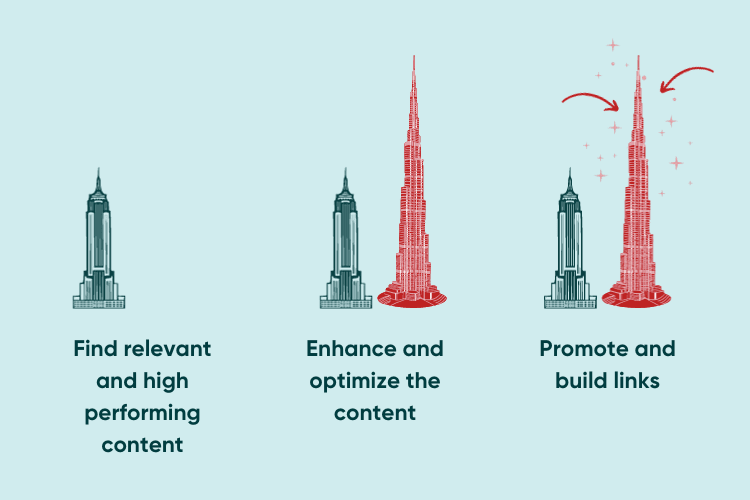
The classic Skyscraper Technique—find a popular article, make a “better” one, then beg for links—is breaking down in 2025. The web is flooded with endless “ultimate guides,” AI can churn out 10,000-word posts in minutes, and webmasters are numb to templated “I noticed you linked to…” emails.
What’s changed isn’t the idea of “better content,” but what better actually means.
What works now:
Substance over length: Original research, proprietary data, tools, real case studies, and expert insight.
Experience over fluff: Fast, mobile-perfect pages, clear UX, strong visuals, and technically excellent content.
Relationships over cold outreach: Show up in communities, add value first, then share your asset as a natural next step.
Modern Skyscraper wins are strategic assets: they drive leads, authority, and long-term business impact—not just a few vanity backlinks.
Translated websites get seen 327% more in AI search.
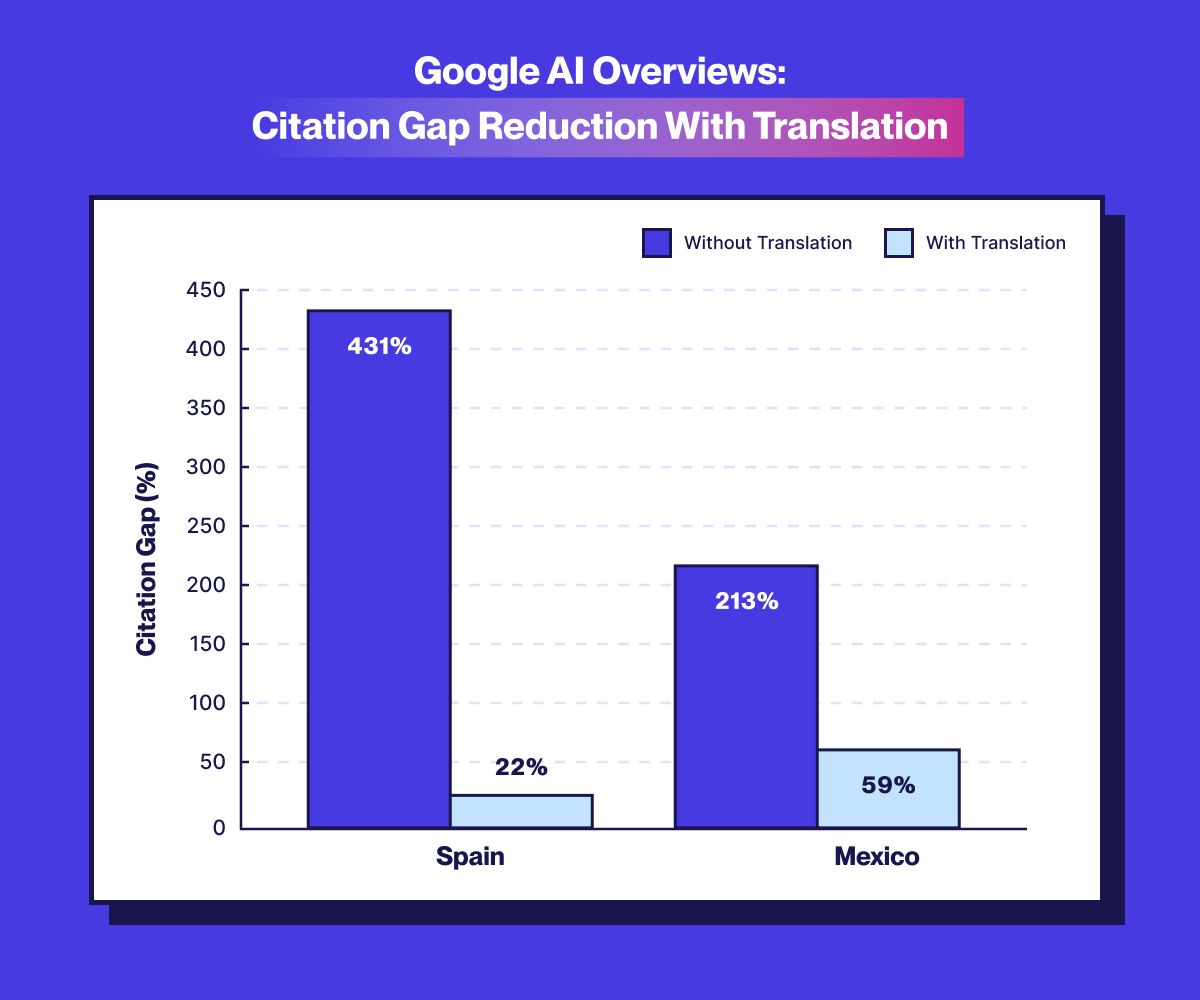
Translated sites achieved 327% more visibility than untranslated ones
Weglot’s study of 1.3M citations found that sites with translated versions saw up to 327% more visibility in Google AI Overviews and 24% more citations per query than untranslated sites.
Across Google AIO and ChatGPT, having multiple languages isn’t just nice for UX, it's now a core visibility signal. If your content isn’t in the searcher’s language, it’s probably not in the AI answer either.
Until next time.
Ian at Click Raven